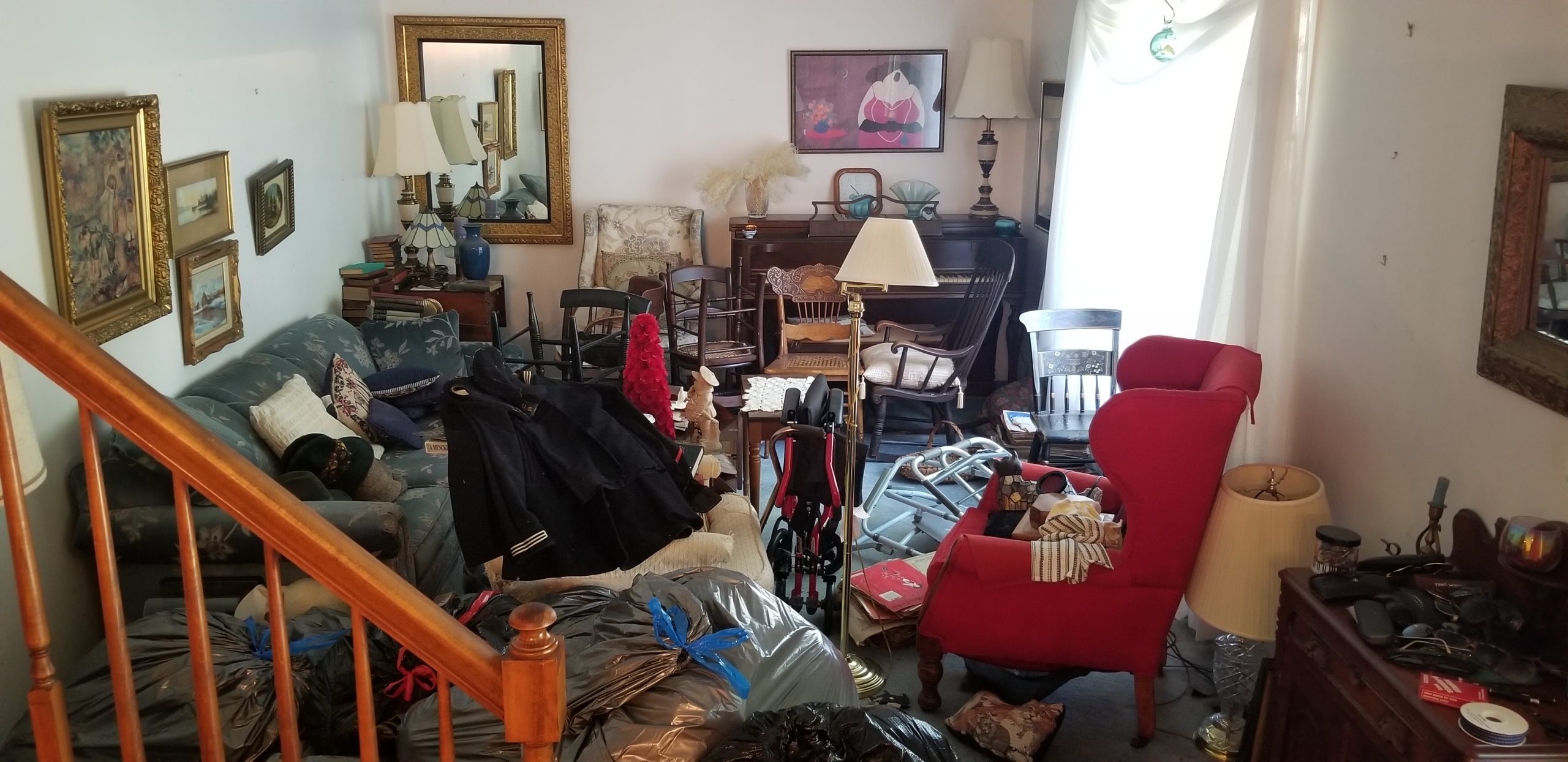
Auctions vs. Estate Tag Sales: Which is the Right Choice for You?

Auctions vs. Estate Tag Sales — Which Is Right for Your Estate?

A Practical Comparison for Executors, Trustees & Families

When families, executors, and trustees begin planning an estate liquidation, one of the first questions that comes up is whether to hold an estate tag sale or pursue an auction. Both are legitimate, professionally managed methods for liquidating personal property. Neither is universally better than the other.

The right choice depends on the specific assets involved, the property, the timeline, the goals of the estate, and the needs of the family or estate representative. Understanding how each method works — and where each tends to perform best — helps families and professionals make a more informed decision before committing to an approach.

How an Estate Tag Sale Works

An estate tag sale — sometimes called an estate sale — is typically held at the property over one or more days. Items are priced individually before the sale begins, and buyers browse and purchase at their own pace at the marked prices. Pricing may be reduced on the final day of the sale to move remaining inventory.

Estate tag sales are generally managed by a professional estate sale company that handles setup, pricing, staffing, advertising, and running the sale. The family or estate representative typically steps back and allows the company to manage the event.

Tag sales work well when the estate contains a broad range of general household contents — furniture, kitchenware, clothing, décor, tools, and everyday items — that are best suited for a retail-style browsing experience. They also work well in neighborhoods where strong local foot traffic is likely, or in situations where the property itself benefits from being open and active during the sale period.

How an Estate Auction Works

An estate auction — whether conducted live onsite, online, or through a simulcast or virtual simulcast format — exposes items to competitive bidding. Rather than pricing items in advance, an auction allows the market to determine value through competition among buyers.

Online estate auctions in particular have significantly expanded the buyer audience available to any given sale. Items that might attract limited local interest can reach collectors, dealers, and buyers across the country who are specifically looking for what the estate contains.

Auctions tend to perform especially well for estates with specialty items — antiques, firearms, coins, jewelry, artwork, militaria, vintage tools, advertising collectibles, vehicles, and other assets that benefit from reaching a targeted national buyer audience rather than a local retail crowd.

When a Tag Sale May Be the Better Choice

A traditional estate tag sale may be the more appropriate choice when:

  • The estate contains primarily general household contents with limited specialty or collectible value
  • The property is in a location likely to draw strong local foot traffic
  • The family prefers a retail browsing environment where buyers can handle and examine items before purchasing
  • The timeline allows for the setup, staffing, and multi-day commitment a tag sale requires
  • The goal is to move a broad range of everyday household items efficiently in a single event

When an Auction May Be the Better Choice

An auction may be the more appropriate choice when:

  • The estate contains specialty items — firearms, coins, jewelry, antiques, militaria, artwork, vintage collectibles, vehicles, or equipment — that benefit from reaching a national buyer audience
  • Multiple heirs are involved and a transparent, market-driven process for establishing value is important
  • The executor or trustee needs documented sale results for reporting or court purposes
  • The estate is located in an area where local foot traffic for a tag sale would be limited
  • The timeline requires a structured, defined sale date with predictable completion
  • Items in the estate have values that are difficult to estimate in advance and benefit from competitive bidding

When a Hybrid Approach Makes Sense

Many estates benefit from a combination of both methods. Specialty items — firearms, jewelry, coins, artwork, antiques, and collections — may perform best through an online auction or gallery placement, while general household contents, furniture, and everyday items may be better suited for a tag sale, donation, or cleanout.

A hybrid approach allows the estate to use the right method for each category of assets rather than forcing everything into a single format. This can produce better overall results than choosing one method for the entire estate.

The key is evaluating the assets before deciding on a strategy — not defaulting to a single method because it is familiar or convenient.

Pricing: Fixed vs. Market-Driven

One of the fundamental differences between a tag sale and an auction is how prices are determined.

In a tag sale, items are priced before the sale begins based on the estate sale company's assessment of value. Prices reflect one person's or team's estimate of what items are worth and what local buyers will pay. Accurate pricing requires knowledge of current market conditions across a wide range of categories — which is why the experience and expertise of the company doing the pricing matters significantly.

In an auction, the market determines value through competitive bidding. Items sell for what motivated buyers are willing to pay on that day. This can produce results that exceed pre-sale estimates for items with strong collector demand — and it produces a transparent, documented record of what each item actually achieved in the current market.

Neither approach is inherently superior. Fixed pricing works well for everyday household items where values are predictable. Market-driven pricing through competitive bidding works well for specialty items where values vary significantly based on who is in the buyer pool.

The Role of Buyer Audience

A tag sale draws buyers who are local — people who see a sign, find a listing on EstateSales.NET, or follow a company's social media. The buyer audience is geographically limited by the nature of the format.

An online auction draws buyers from wherever marketing reaches and wherever the platforms are followed. For estates with specialty assets, that national reach can make a meaningful difference. A collector in another state or country who is specifically looking for what the estate contains will often bid higher than a local buyer who is only casually interested.

Understanding where the buyers for a specific estate's contents are most likely to be found i

Live, Simulcast & Online Auctions — How They Work

How Epic Auctions Work — Live, Simulcast, Virtual & Online Formats Explained

A Practical Guide for First-Time and Returning Bidders

Not all auctions work the same way. The format Epic uses for a given sale depends on the estate, the assets involved, the seller's goals, and what will produce the best results for that specific situation. Epic conducts live onsite auctions, simulcast auctions, virtual simulcast auctions, and timed online auctions — and has the experience and technology to determine which format best fits each sale.

Understanding how each format works helps you participate more effectively and know what to expect before, during, and after the sale.

Live Onsite Auctions

A live onsite auction is conducted at the sale location with a professional auctioneer calling bids in real time before a live in-room audience. This is the traditional auction format — lots are sold one at a time at live auction pace, and the sale closes when the auctioneer says sold.

Live onsite auctions can also incorporate online bidding through one or more platforms simultaneously, allowing remote buyers to compete alongside in-room bidders in real time. When online bidding is added to a live onsite auction, it becomes a simulcast.

Epic conducts live onsite auctions when the property, assets, and situation call for it. Brad Stoecker calls bids personally, bringing decades of professional auction experience to every live sale.

Simulcast Auctions — Live Auctioneer, Live Crowd, Multiple Online Platforms

A simulcast auction combines a live in-room auction with simultaneous online bidding across one or more platforms. The auctioneer calls bids in real time, in-room bidders compete alongside online bidders from across the country, and lots close at live auction pace when the auctioneer says sold.

There is no auto-extend feature in a simulcast auction. Lots close in real time as the auctioneer advances through the catalog — just as they would at any traditional live auction.

Epic has been conducting simulcast auctions for over a decade, well ahead of most companies in the region. Running across multiple online platforms simultaneously allows Epic to reach the broadest possible audience of motivated buyers in real time.

Virtual Simulcast Auctions — Live Auctioneer, All Bidders Online

A virtual simulcast auction operates exactly like a simulcast — a professional auctioneer calling bids in real time with lots closing at live auction pace — but with no in-room audience. All bidders participate online through one or more platforms simultaneously.

This format delivers the competitive energy and pace of a live auction while reaching a national online buyer audience. Because all participation is online, buyers from anywhere in the country compete on equal footing in real time with no geographic advantage for local bidders.

Like a standard simulcast, virtual simulcast auctions do not use an auto-extend feature. The reason is technical — there is currently no software that can run a true live simulcast auction across multiple online bidding platforms simultaneously with an auto-extend feature. Running across multiple platforms is what allows Epic to reach the widest possible buyer audience. Lots close in real time when the auctioneer says sold.

Epic began conducting virtual simulcast auctions approximately four years ago and was among the early adopters of this format in Michigan. The virtual simulcast has become an increasingly common format across the auction industry as companies recognize its ability to generate genuine competitive bidding without geographic limitations.

Timed Online Auctions

A timed online auction runs entirely online with no auctioneer calling bids. Lots close on a set schedule, and most timed online platforms include an auto-extend feature — if a bid is placed in the final minutes of a lot's closing time, the window extends briefly to allow other bidders to respond.

Epic uses timed online auctions when this format best fits the sale. For bidders accustomed to online shopping or who prefer to bid at their own pace over an extended sale period, timed online auctions offer a familiar and accessible experience.

How to Participate in an Epic Auction

Register Early

Most online bidding platforms require registration before you can place a bid. Register before the sale begins — not at the last minute. Last-minute registration issues can prevent you from bidding on items you want. Keep your contact and payment information current to ensure a smooth experience when you win.

Review the Catalog in Advance

Every Epic auction includes a catalog with photographs, descriptions, and condition notes. Review the full catalog before the sale begins. If you have questions about a specific item — condition, dimensions, or shipping eligibility — contact us before the sale starts.

Understand the Terms

Read the auction terms before bidding. Key details to note include:

  • Buyer's premium — an additional percentage added to the winning bid. Factor this into your maximum bid.
  • Pickup schedule — most auctions require pickup within a specific window after the sale closes.
  • Shipping availability — confirm whether items you are interested in are eligible for shipping before bidding.
  • All sales final — auction items are sold as-is. Review descriptions and photographs carefully before bidding.

Preview Items When Possible

Many Epic auctions offer a preview period before the sale begins. For significant purchases — furniture, firearms, vehicles, equipment, or high-value collectibles — attending a preview is always worthwhile. In-person inspection allows you to evaluate condition and quality in ways photographs alone cannot always convey.

For Live, Simulcast, and Virtual Simulcast Auctions — Be Present

Because live, simulcast, and virtual simulcast auctions run at live auction pace with no auto-extend, you need to be actively participating when your lots come up. Review the catalog in advance so you know approximately when the items you want will sell, and be ready to bid in real time when they do.

Set a Limit and Stick to It

Decide your maximum price before bidding begins and commit to it. Live auction pace creates energy that can make it easy to bid beyond your original intention. Knowing your limit in advance keeps the experience enjoyable and the outcome one you are comfortable with.

For timed online auctions, many platforms allow you to set a maximum bid in advance. The system will bid on your behalf up to your maximum, only increasing your bid as needed to stay competitive.

Shipping and Pickup

Epic offers shipping on many items, allowing buyers outside the Greater Lansing area to participate fully in our auctions. In 2024, Epic's auctions attracted buyers from all 50 states and shipped items to buyers in more than 24 countries.

Before bidding on an item you intend to have shipped, confirm shipping eligibility and factor estimated shipping costs into your bid. Large, fragile, or heavy items may have significant shipping costs or may only be available for local pickup.

If you are located outside Michigan and have questions about shipping specific items, contact us before the sale closes.

Stay Informed About Upcoming Auctions

Epic conducts auctions throughout Greater Lansing and Mid-Michigan, regularly featuring antiques, firearms, jewelry, coins, collectibles, vehicles, tools, farm equipment, and complete estate contents.

To be notified of upcoming auctions before they are widely listed, sign up for auction alerts or visit our upcoming sales page to see what is currently available.

Are You Settling an Estate Rather Than Buying?

If you found this page while researching auctions for an estate you are responsible for settling, we can help with that too. Epic Auctions & Estate Sales works with families, executors, trustees, attorneys, and fiduciaries throughout Michigan to evaluate, market, and sell estate personal property, collections, firearms, vehicles, and real estate.

Visit our Estate Settlement Resources center or call us to discuss your situation.

Serving Greater Lansing and Communities Throughout Michigan

Epic Auctions & Estate Sales serves buyers and sellers throughout Greater Lansing, East Lansing, Okemos, Haslett, DeWitt, Grand Ledge, Mason, Jackson, Mid-Michigan, and surrounding communities. Our auction platform connects Mid-Michigan estates with buyers and collectors throughout the country. In 2024, Epic's auctions attracted buyers from all 50 states and more than 24 countries.

Questions About an Upcoming Auction?

If you have questions about a specific item, pickup, shipping, sale format, or how to participate in an upcoming Epic auction, contact us directly.

Call (517) 927-5028 or visit our contact page.